
How to leave a positive impact on your 2026 holiday in Crete
Crete has always been an island of myths and mountains, but as we look toward the 2026 travel season, a new narrative is emerging. It’s no longer just about “visiting” Crete, it’s about becoming part of its preservation.
At Alternative Crete, we believe that travel should be a two-way street. As the island implements its bold 2026 Sustainable Tourism Strategy—focusing on digital innovation and environmental resilience—there has never been a better time to discover the authentic Crete that lies far beyond the resort walls.
Here is your guide to ensuring your 2026 holiday leaves the island even better than you found it.
Explore UNESCO Geoparks, the Perpetual History of Geology
In 2026, the preservation of Crete’s unique landscapes is centered around its two crown jewels. The Psiloritis UNESCO Global Geopark and the Sitia UNESCO Global Geopark. These aren’t just parks, they are living museums of Earth’s history.
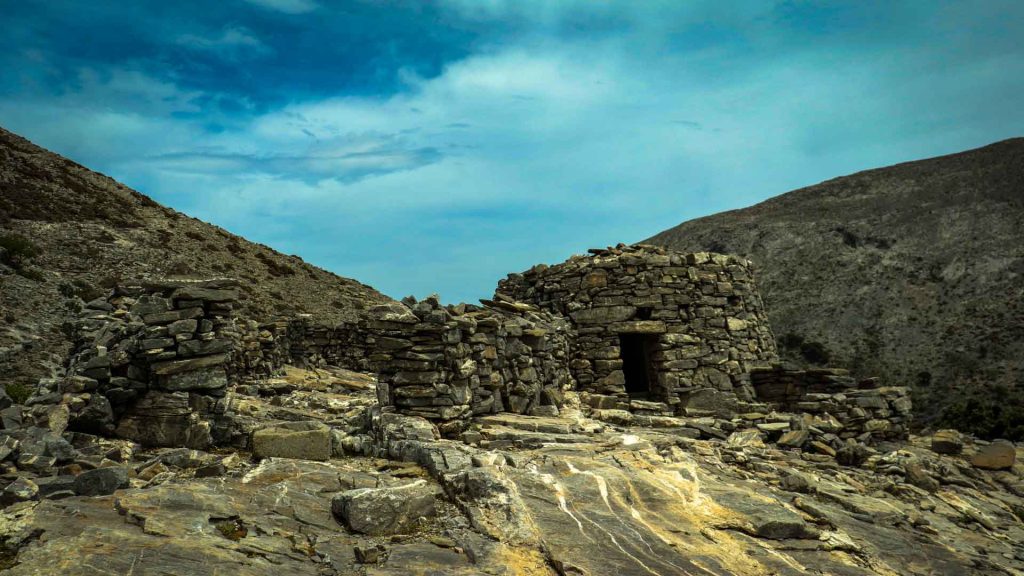
Psiloritis (Central Crete): Centered around the island’s highest peak, this park offers a journey through limestone caves and “karstic” plateaus. By visiting the small mountain villages here, you support communities dedicated to traditional dry-stone walling and ancient pastoral ways of life.
Sitia (East Crete): A wilder, more rugged landscape where the earth meets the Libyan Sea. Here, you can witness 300-million-year-old rocks and rare ecosystems.
Visiting these geoparks directs tourism revenue to protected areas and encourages the conservation of biodiversity and geological heritage.
Move on Foot: Hiking as the Ultimate Sustainable way of exploration
While electric cars are a great addition to the island in 2026, the most sustainable way to move is on your own two feet. Hiking is the heartbeat of authentic Crete.
For example, the E4 European Long-Distance Path, a trail that traverses the entire island. In 2026, new signage and digital trail maps make it easier than ever to hike sections of the E4, connecting you with remote monasteries and hidden gorges.
Alternative, for shorter, full day hikes, you can try the “Gorge of the Dead” in Sitia or the ascent to the Idaion Cave in Psiloritis for a deep connection to Cretan mythology.
Hiking in Crete has zero carbon footprint, reduces noise pollution in sensitive habitats, and allows you to stumble upon hidden sites and spots in the Cretan countryside, that cars simply can’t reach.
Discover the “off-season” Crete
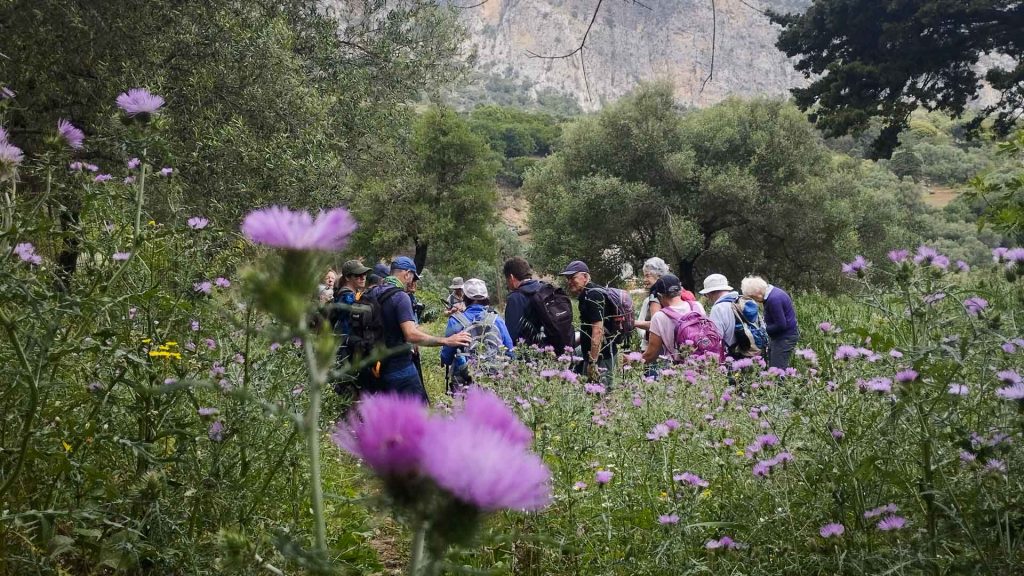
One of the biggest impacts you can have in 2026 is choosing when to visit. The Region of Crete is actively promoting the “Green Transition,” encouraging visitors to explore during the spring (April–May) and autumn (September–October) months. Also, during the winter time (November to March) is a very good perspective for hiking holidays in Crete.
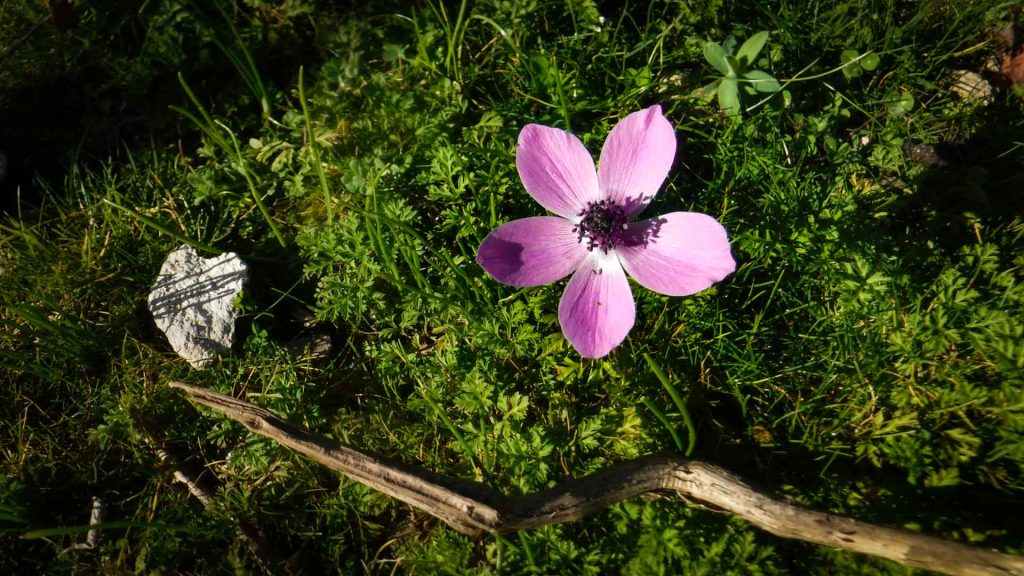
During the off season months, you’ll experience the island in its most authentic state—wildflowers blooming across the Psiloritis slopes in the spring, or the rich scent of the grape harvest in the autumn. Plus, the cooler temperatures are far more suited for long-distance hiking.
Invest in the Local Culinary
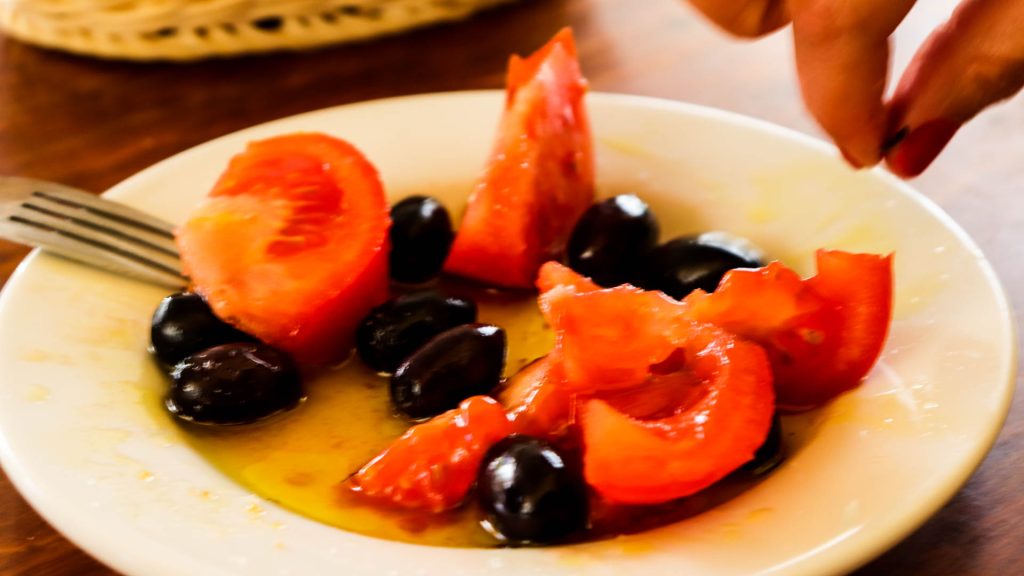
In 2026, Crete is leading the way in Regenerative Agriculture. Look for tavernas and boutique stays that supprt local producers and local raw materials. Choose Cretan origin specialties like Staka, Dakos, and wild mountain greens (Horta).
Support the local economy and buying honey, cheese, and olive oil directly from village cooperatives like in the Amari Valley or the Sitia highlands, ensures 100% of your money stays with the families who tend the land.
Respect the “Cretan Soul” (Philoxenia)
The environment isn’t just about trees and sea, it’s about people. The legendary Cretan hospitality – *Philoxenia – is a delicate cultural resource that thrives when visitors approach with respect.
Leave a positive trace and try to learn a few Greek words like, Kalimera (Good morning) and Efcharisto (Thank you) go a long way.
The Climate Resilience Levy: In 2026, a small climate levy is included in your stay. This goes directly toward protecting the island’s forests from wildfires and preserving the very landscapes you’ve come to hike.
*Derived from philos (friend) and xenos (stranger), representing “friend of the foreign” or “friend of strangers”.
It’s more than just hospitality, it is an unspoken code of generosity, kindness, and warmth towards guests, often treating them as cherished friends.
Some Thoughts for your 2026 travel in Crete
Sustainable travel isn’t about sacrifice, it’s about quality and connection. It’s the difference between a rushed photo at a crowded beach and a slow afternoon sharing raki with a shepherd in the foothills of Psiloritis.
When you choose the alternative path, you don’t just see Crete—you help ensure that the authentic Crete remains for generations to come.
Ready to plan your conscious journey? Browse our curated list of hiking guided tours and authentic experiences on the Alternative Crete homepage.
